
How Often Should You Deep Condition Your Hair?
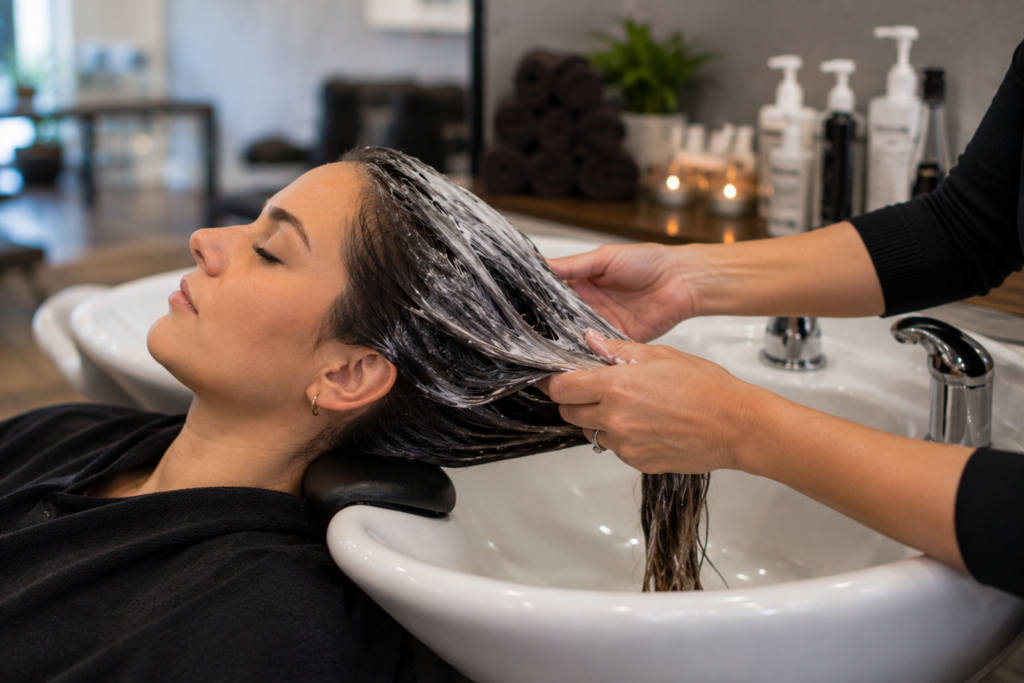
Healthy looking hair requires more than a good shampoo and a quick conditioner. Between heat styling, coloring, dry weather, sun exposure, and everyday wear, hair can gradually lose moisture and become more difficult to manage. Adding a deep conditioning treatment to your routine can provide extra hydration and help your hair feel softer, smoother, and more manageable.
But how often should you deep condition your hair? There isn’t one schedule that works for everyone. Your hair type, texture, condition, styling habits, and environment all play a role in determining how frequently you may benefit from additional conditioning. Understanding what your hair needs can help you develop a routine that keeps it looking and feeling its best.
What Is Deep Conditioning?
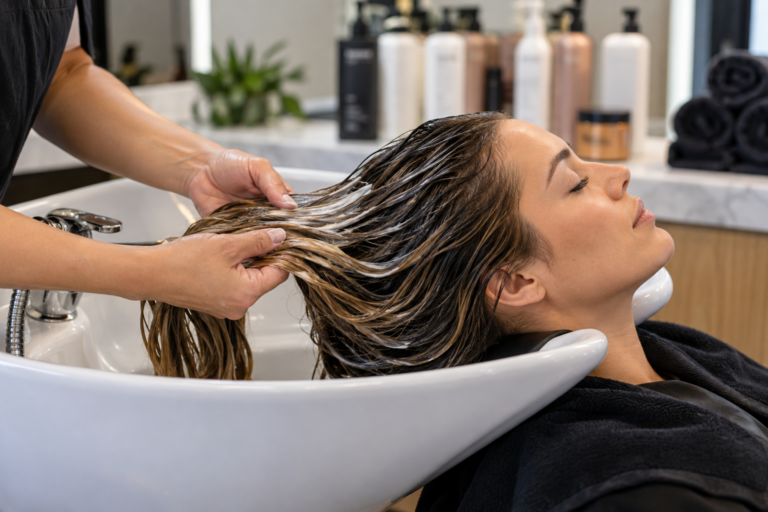
Deep conditioning goes beyond the everyday conditioner you might use after shampooing. These treatments are typically formulated to provide more intensive conditioning and are often left on the hair longer than traditional conditioner.
Depending on the product, a deep conditioner may focus on adding moisture, improving manageability, smoothing the hair, or supporting hair that has been exposed to coloring and heat styling.
Professional salon conditioning treatments can provide another level of customized care. Your stylist can evaluate the condition of your hair and recommend a treatment based on its specific needs rather than relying on a one-size-fits-all approach.
How Often Should You Deep Condition?
For many people, deep conditioning approximately once a week is a good starting point. However, this doesn’t mean everyone needs to follow the same schedule.
Hair that is especially dry, curly, color-treated, or regularly exposed to heat may benefit from more frequent conditioning. On the other hand, fine hair or hair that becomes oily easily may need deep conditioning less frequently or require a lighter formula.
The key is paying attention to how your hair responds. If your hair feels soft, manageable, and healthy, your current routine may be working well. If it consistently feels dry, rough, tangled, or difficult to style, additional moisture may be worth considering.
Dry Hair May Need More Frequent Conditioning
Dryness is one of the most common reasons people add deep conditioning to their routine. When hair lacks moisture, it may appear dull or feel rough to the touch. It can also become more prone to tangles and frizz. A moisturizing treatment can help improve the way dry hair feels and make it easier to manage.
This can be especially important in dry environments. In Colorado’s mountain climate, low humidity can affect both the skin and hair. Visitors and residents in Snowmass may notice that their hair feels different than it does in more humid environments. If your hair seems unusually dry after spending time in the mountains, adjusting your conditioning routine may help.
Curly and Textured Hair Often Benefits From Extra Moisture
Curly, coily, and highly textured hair may naturally require more moisture than some straighter hair types. Natural oils from the scalp can have a harder time traveling down the twists and curves of the hair, which can leave the lengths and ends feeling dry.
Regular deep conditioning can help curls feel softer and more manageable while supporting their natural appearance. The right frequency depends on your individual texture and routine. Some people may enjoy a weekly treatment, while others may prefer a different schedule. A professional stylist can help you determine what works best without weighing down your hair.
Color-Treated Hair May Need Additional Care
Hair coloring can create beautiful results, but color-treated hair often benefits from thoughtful maintenance between salon appointments. Highlights, balayage, lightening services, and other chemical processes can leave some hair feeling drier than it did before. Adding a conditioning treatment to your routine can help maintain softness and improve manageability.
If you regularly color your hair, ask your stylist which conditioning products complement your specific service. Using products designed for color-treated hair can also help you care for both the condition and appearance of your hair between appointments.
Heat Styling Can Affect Your Hair
Blow dryers, curling irons, flat irons, and other hot tools make it possible to create a wide variety of hairstyles. However, frequent heat styling can contribute to dryness and make the hair feel more stressed over time. If you regularly use hot tools, deep conditioning can be a useful part of your overall hair care routine.
Heat protection is equally important. Apply a heat protectant before styling and avoid using a higher temperature than necessary. Combining smart heat-styling habits with regular conditioning can help keep your hair looking polished without unnecessarily stressing it.
Pay Attention to the Ends of Your Hair
The ends are the oldest part of your hair and often show signs of dryness before the rest of the strand. If your ends feel rough, become tangled easily, or look noticeably drier than your roots, they may benefit from extra conditioning. When applying a deep conditioner, concentrating the product through the mid-lengths and ends can be particularly helpful for many hair types.
Deep conditioning can’t permanently repair split ends, however. Once ends become significantly split or damaged, a professional trim may be the best way to refresh them.
Can You Deep Condition Too Often?
More isn’t always better when it comes to hair products. Using a rich treatment too frequently can leave certain hair types feeling heavy, flat, or coated. Fine hair in particular may become weighed down if a very rich formula is used too often.
If your hair suddenly feels limp or difficult to style after increasing your deep conditioning routine, consider reducing the frequency or switching to a lighter treatment. Your hair’s needs can also change throughout the year, so the routine that works perfectly during winter may not be necessary during warmer or more humid months.
Professional Treatments Can Provide Customized Care
At-home deep conditioners are convenient for routine maintenance, but professional salon treatments can be helpful when your hair needs additional attention.
A stylist can evaluate factors such as dryness, texture, chemical processing, and styling habits before selecting an appropriate treatment. This can be particularly useful if you’re unsure whether your hair needs moisture, strengthening, or simply a different home-care routine. Professional recommendations can also help you avoid buying products that aren’t well suited to your hair.
Create a Routine Based on Your Hair
There is no universal answer to how often you should deep condition your hair. For many people, once a week is a reasonable place to start, but your ideal schedule could be more or less frequent depending on your hair type and lifestyle. Pay attention to changes in softness, shine, manageability, frizz, and dryness. Your hair will often provide clues about whether your current routine is working.
At Alux Spalon, professional hair services and conditioning treatments can help you give your hair the care it needs. Whether Colorado’s dry mountain climate has left your hair craving moisture or regular coloring and styling have made it feel less manageable, personalized salon care can help you develop a routine that keeps your hair looking beautiful between appointments.
Share This Article
Recent Blog Posts
How to Refresh Dull, Dry Skin After Summer
Summer can be an amazing time for outdoor activities, vacations, and long days spent enjoying the sunshine. However, by the
How Far in Advance Should You Color Your Hair Before Your Wedding?
Your wedding day is one of those occasions when you want every detail to come together perfectly, and your hair
Brow Lamination: What Is It and How Long Does It Last?
Full, polished eyebrows can make a noticeable difference in your overall look. While brow pencils, gels, and other products can
Best Hair Treatments for Dry, Damaged Hair
Dry, damaged hair can be frustrating to manage. Hair that once felt soft and smooth may begin to feel rough,